39. Charles Carlin — Land Stewardship and Political Sabotage in Wisconsin
Listen to Chrysalis on Apple Podcasts, Spotify, YouTube, and Captivate.
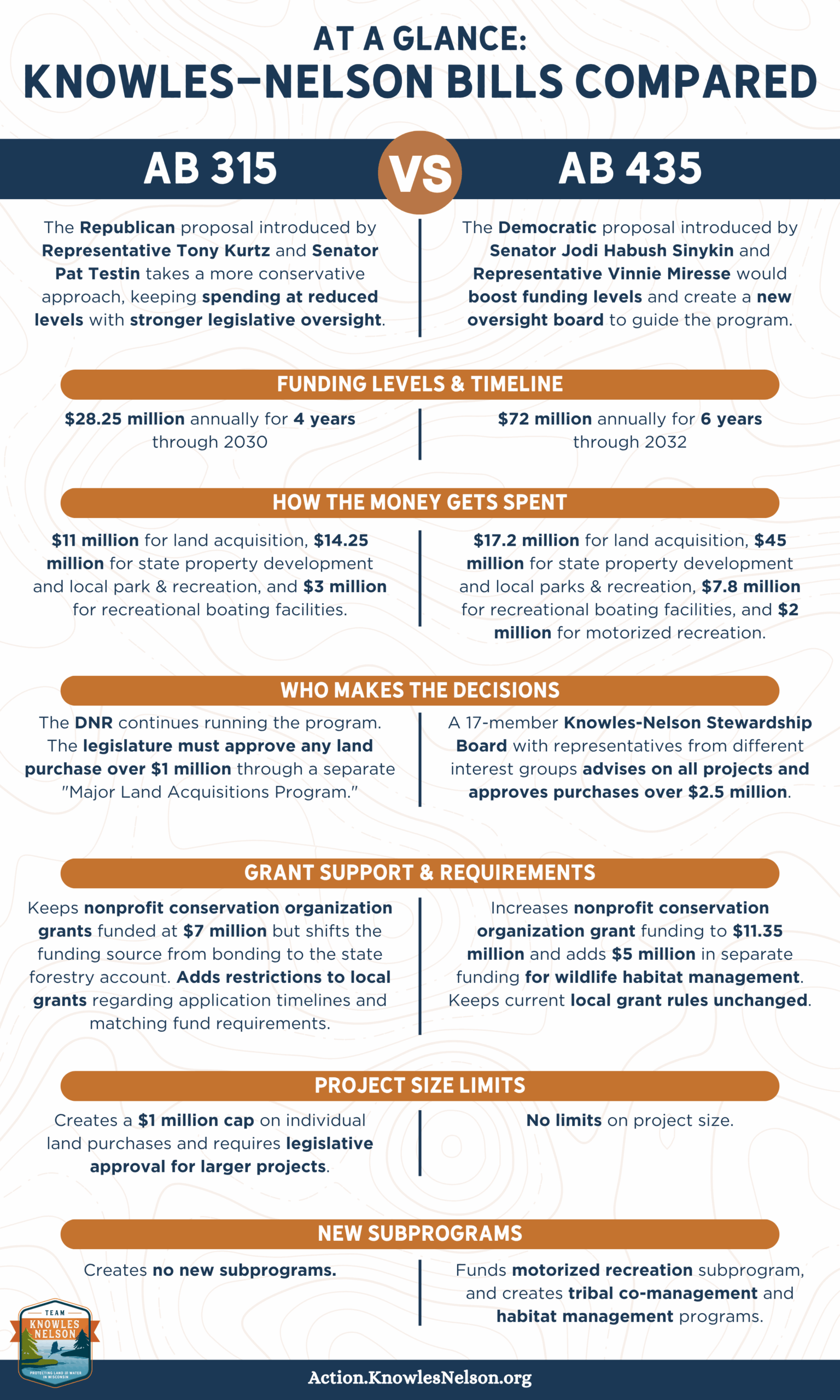
Wisconsin has an unusual statewide conservation fund called the Knowles-Nelson Stewardship Program. Named after Warren Knowles, a former Republican governor, and Gaylord Nelson, a former Democratic governor and U.S. Senator, the fund was designed to represent land stewardship as a bipartisan priority. For nearly 40 years, the protection of Wisconsin’s forests, prairies, shorelines, and wetlands enjoyed overwhelming bipartisan support, protecting well over half a million acres of land.
But in our current political climate, this unity has fractured.
In 2022, a political scandal erupted around the program. The Ozaukee Washington Land Trust, in partnership with Ozaukee County, was awarded a $2.3 million matching grant to buy and protect a beautiful stretch of Lake Michigan coastline called the Cedar Gorge Clay Bluffs. However, the grant was suddenly blocked by an anonymous Republican legislator using a loophole in the state's legislative procedures. While Governor Tony Evers, a Democrat, ultimately saved the project using federal pandemic recovery funds, the battle was far from over.
The very next year, another anonymous legislator blocked a grant for an even larger project: the Pelican River Forest in northern Wisconsin.
Governor Evers had enough and sued the legislature. In 2024, the Wisconsin Supreme Court ruled 6-1 that the legislature’s anonymous veto power over conservation grants was unconstitutional.
Then, the Republican-controlled legislature retaliated. After failing to pass a weakened compromise bill that would have permanently stripped the program of its land-buying power, legislative leadership allowed the Knowles-Nelson Stewardship Program to completely expire on June 30, 2026.
While the program remains on the books, it is officially out of money. If the Republicans could not keep their secret vetoes, they were going to let the entire program die—ignoring its massive popularity among Wisconsin voters.
Now, Wisconsinites are out of options, except for one last chance.
Next week, on November 3, 2026, Wisconsin voters will go to the polls to decide who will succeed Governor Evers and which party will control the legislature. For years, extreme Republican gerrymandering allowed the GOP to hold a near-supermajority in the legislature despite a roughly 50/50 statewide vote split. But after the state Supreme Court ruled those maps unconstitutional, next week’s election marks the first time the entire state legislature will be decided under fair, non-gerrymandered maps.
The future of the Knowles-Nelson Stewardship Program rests on this 2026 election.
This week, I am releasing two interviews recorded in 2022 in the midst of the Cedar Gorge Clay Bluffs scandal. They serve as an essential time capsule of how we reached this crisis point.
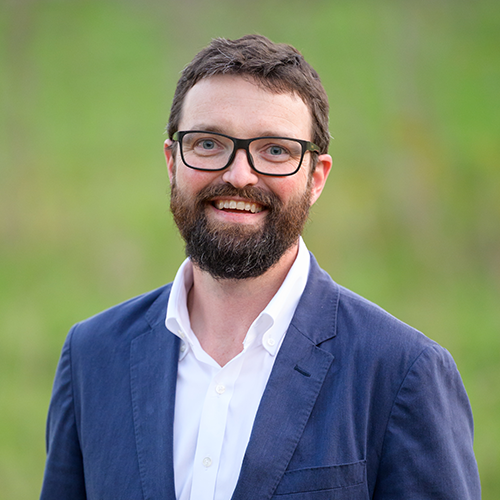
In this episode, I speak with Charles Carlin of Gathering Waters, an alliance of Wisconsin’s land trusts. We discuss the critical role land trusts play in protecting ecosystems and dive into the mechanics of the Cedar Gorge Clay Bluffs scandal. We spoke on July 26, 2022—after the grant was vetoed, but before the governor rescued the project.
Later this week, I’ll release my conversation with Tom Stolp, executive director of Restoring Lands—known back in 2022 as the Ozaukee Washington Land Trust. Together, Charles and Tom paint a dramatic picture of this crisis as it unfolds, revealing why these land trusts are vital to Wisconsin's ecological future.
I’m John Fiege, and this is Chrysalis. You can subscribe at johnfiege.earth, where you will also find show notes and all episodes of the podcast, plus my writing, photographs, and films.
Here is Charles Carlin.
Notes and Media Recommendations
- Charles Carlin, Gathering Waters Chief Strategy Officer
- Gathering Waters: The Story of the Cedar Gorge Clay Bluffs Nature Preserve
- About the Knowles-Nelson Stewardship Program
- Gov. Evers Funds Major Conservation Projects, Including Cedar Gorge-Clay Bluffs
- Wisconsin Supreme Court Decision: Evers v. Marklein (2025 WI 36)
- Legislature’s finance committee rejects funding for Wisconsin’s largest land conservation effort
- What States Can Learn from Wisconsin’s Win for Fair Maps
- The Cap Times: Skewed priorities led to death of Knowles-Nelson
- Knowles-Nelson Advocacy Toolkit
Credits
This episode was researched by Brodie Mutschler and edited by Kathryn Fair, Arthur Koenig, and Sarah Westrich. The podcast assistant is Domenica Klamm. Music is by Daniel Rodríguez Vivas. Mixing is by Morgan Honaker.