38. Brendan Hoffman — Photographing Ecocide in Ukraine
Listen to Chrysalis on Apple Podcasts, Spotify, YouTube, and Captivate.
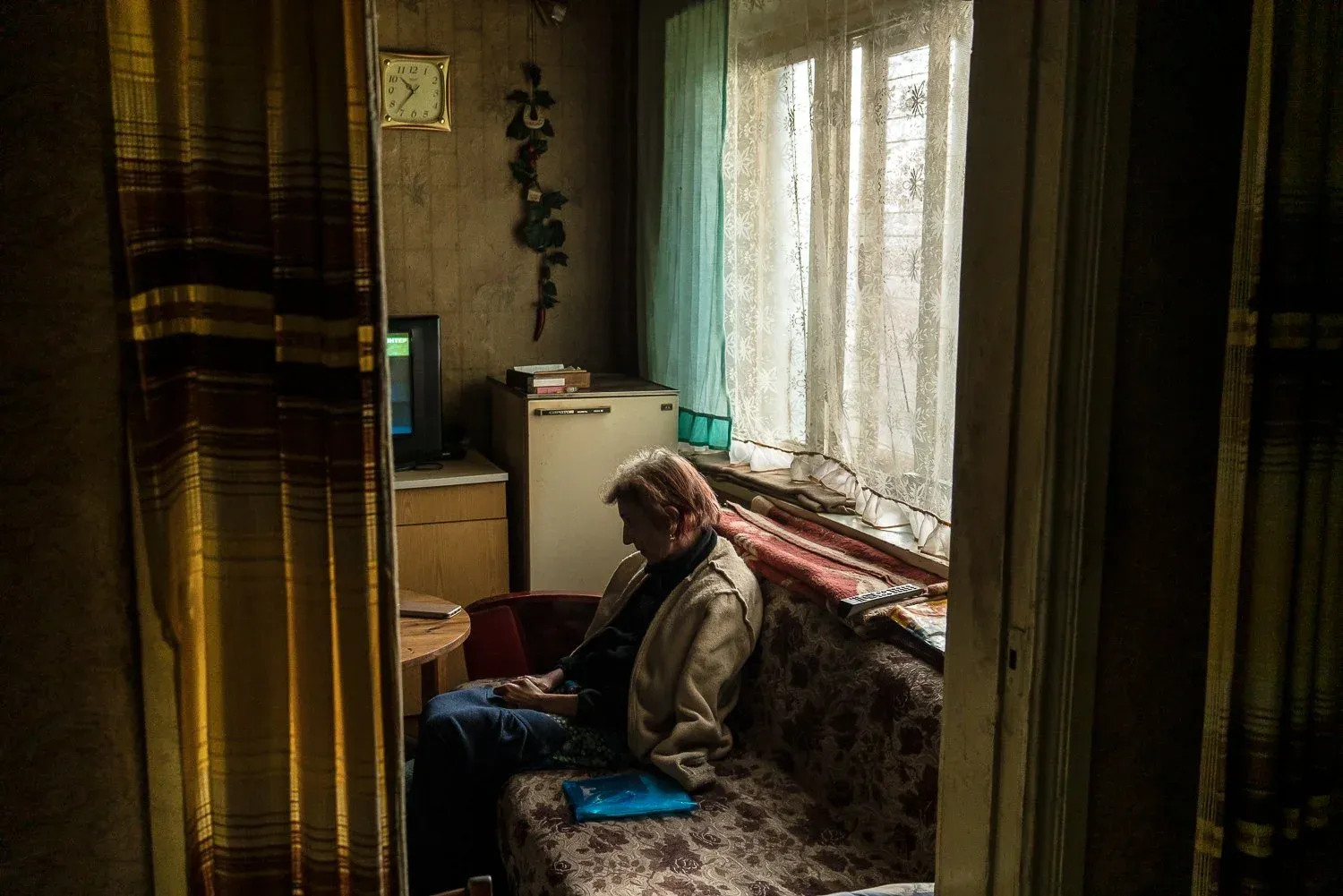
We are a few months away from the five-year anniversary of Russia’s invasion of Ukraine. The horrors of this war pepper the news on a daily basis. The victims are soldiers and civilians, adults and children, parents and grandparents. Russia is increasingly hitting civilian targets in Kyiv and destroying infrastructure across the country.
With this kind of constant trauma and suffering, it’s easy to lose track of the war’s impact on the non-human world. We might even feel guilty asking about the impacts on the natural world when entire towns are being destroyed and families are bombed as they sleep.
But the assault on nature is a vitally important part of understanding the consequences of war. Rather than detracting from the human costs of conflict, looking closely at the ecological devastation expands and deepens our understanding of how people are affected by violence on this scale.
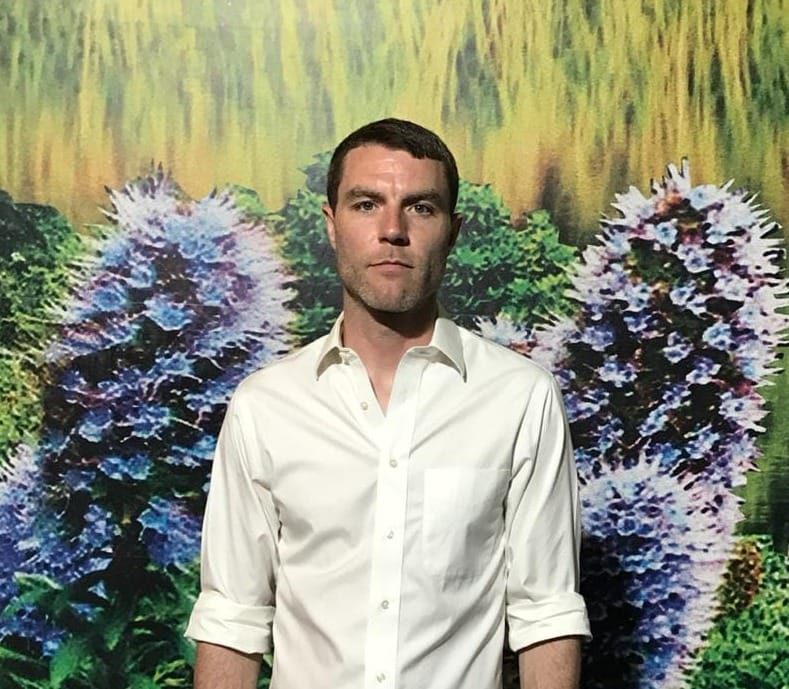
Brendan Hoffman is an acclaimed photographer whose work has been featured in National Geographic and shown at festivals and in galleries globally, earning him the Philip Jones Griffiths Award and support from the Magnum Foundation and the Pulitzer Center.
Brendan was living in Moscow when Putin attacked Ukraine on February 24, 2022. Immediately, he began to cover the war, and he soon relocated to Kyiv, where he spent years covering the conflict for The New York Times.
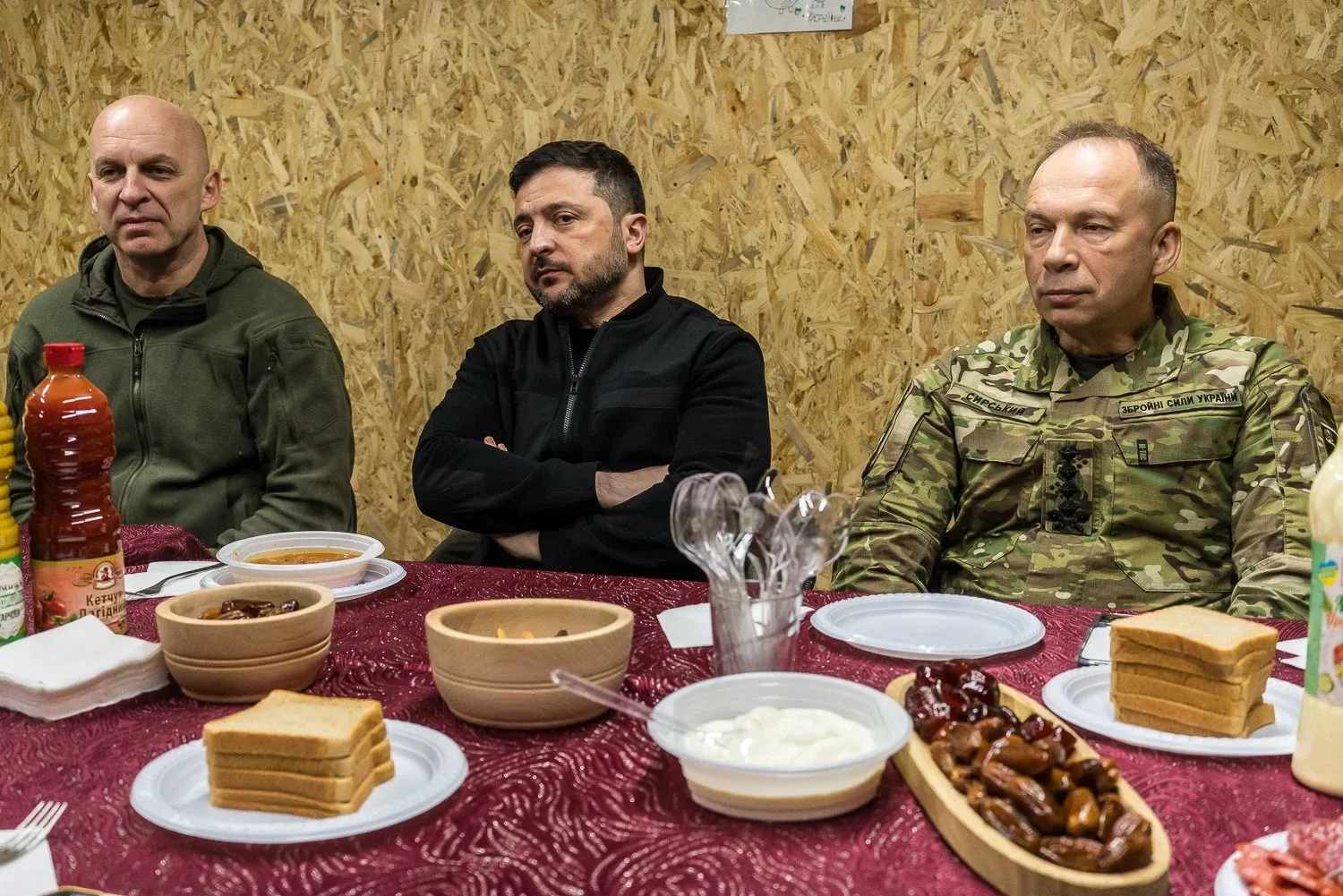
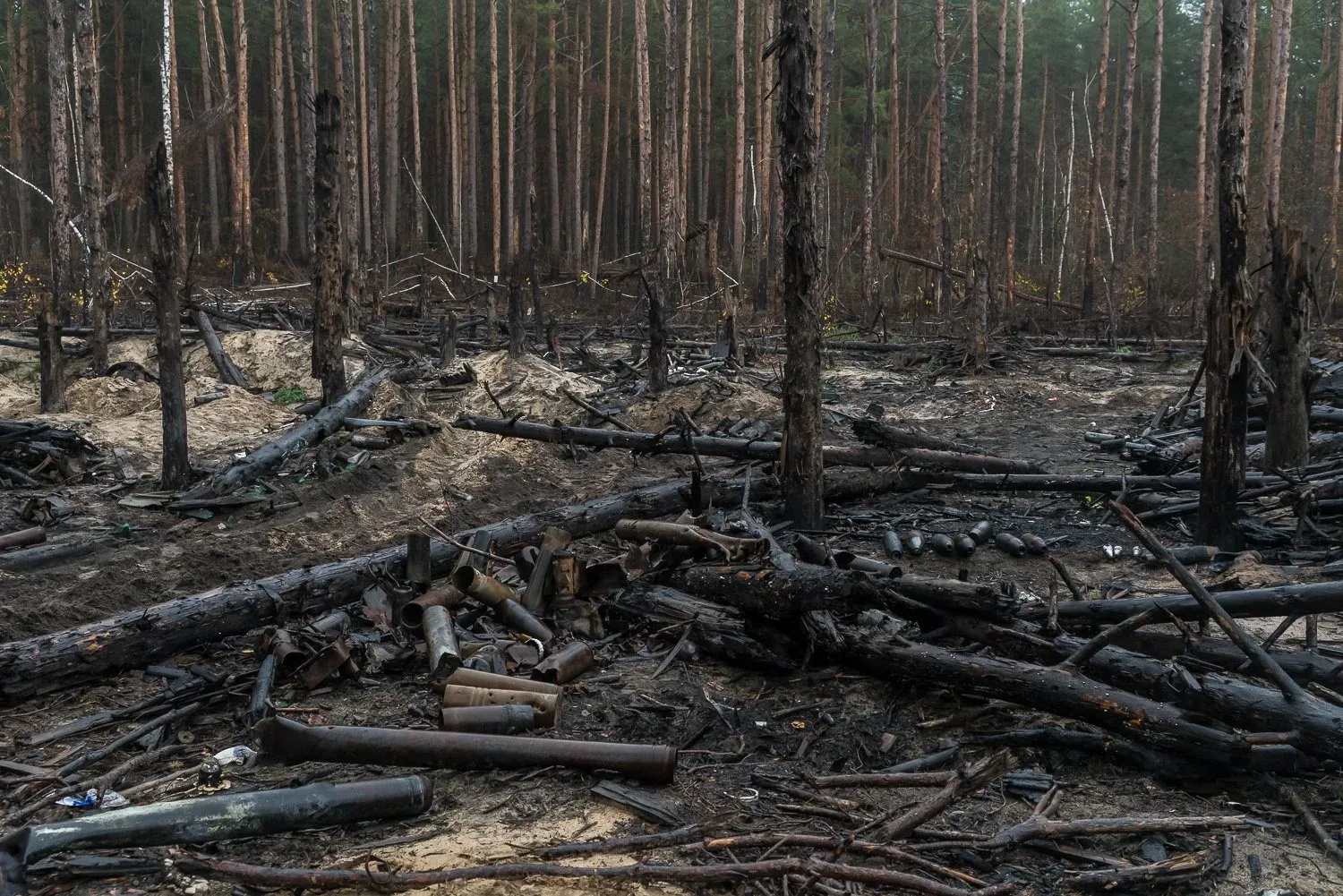
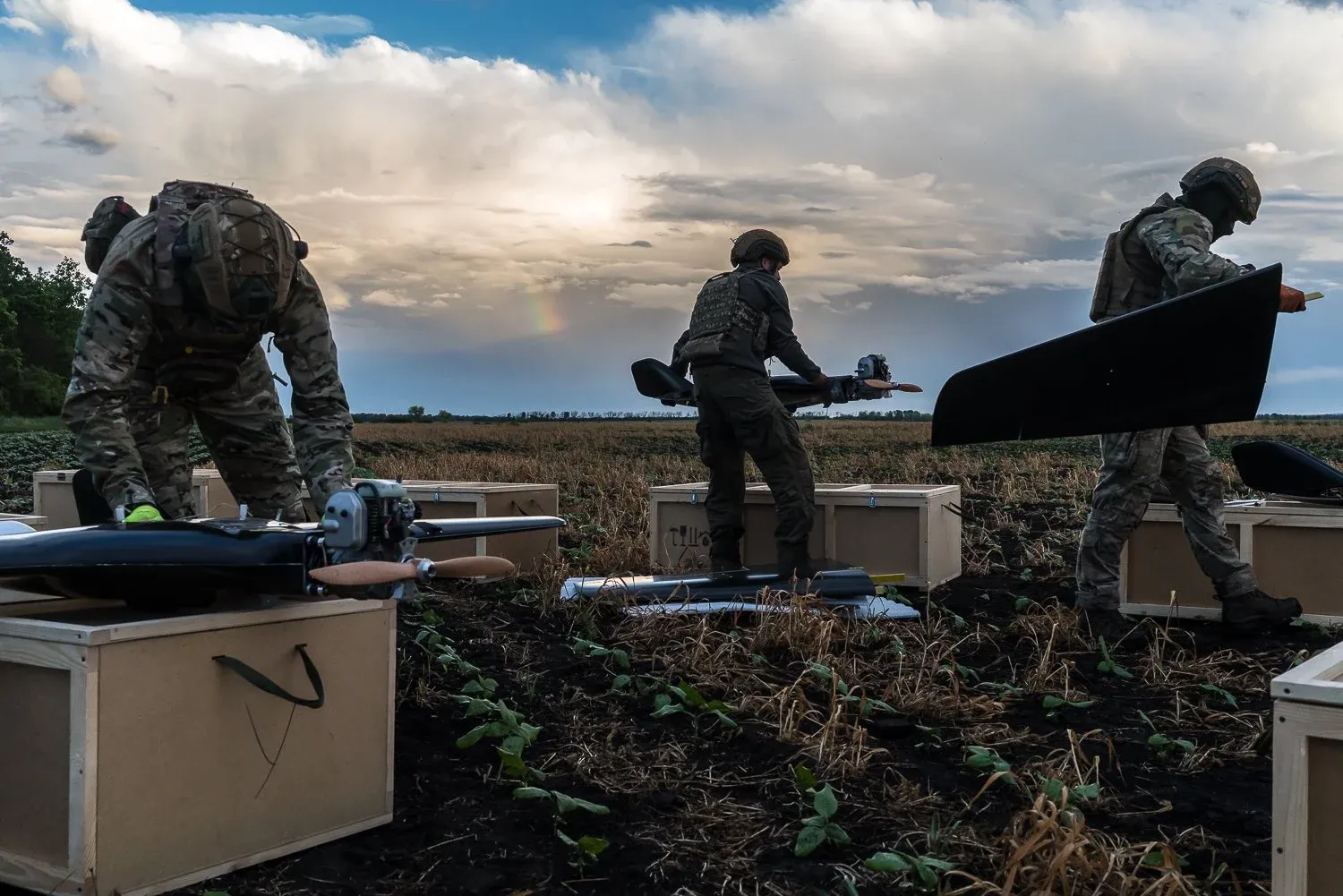
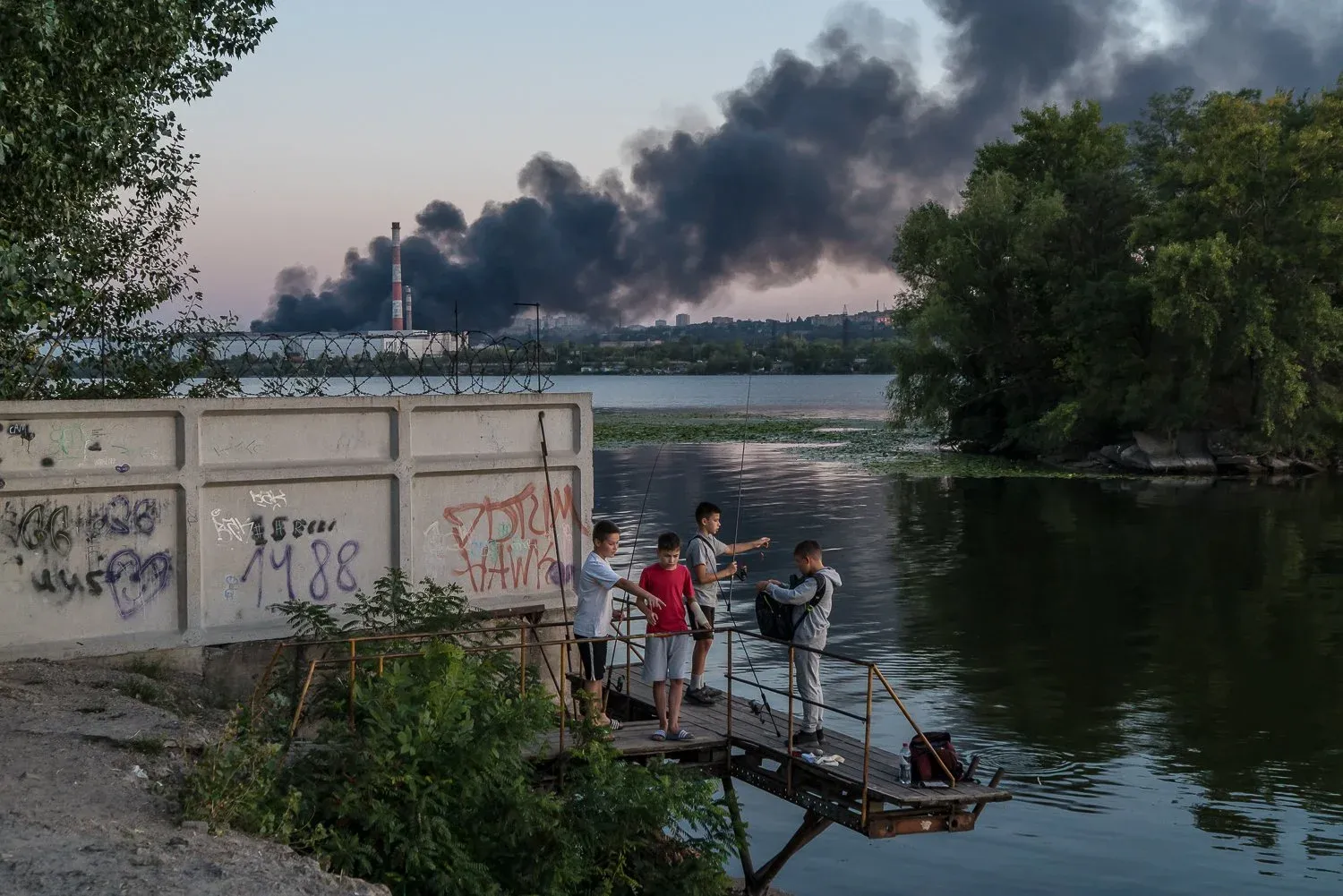
As the war dragged on, a moment of relative calm within the fast-paced world of breaking news allowed Brendan to ask what impact this violence was having on nature. What he discovered was evidence of the destruction of nature being used as an active weapon of war. Much of his reporting began to circle around the relatively new concept of ecocide.
But the ecological legacy of war is complex. While the direct impacts are horrendous, war can sometimes lead to unexpected ecological resilience—for example, with the absence of human activity. Brendan’s work dives deeply into this nuance and complexity.
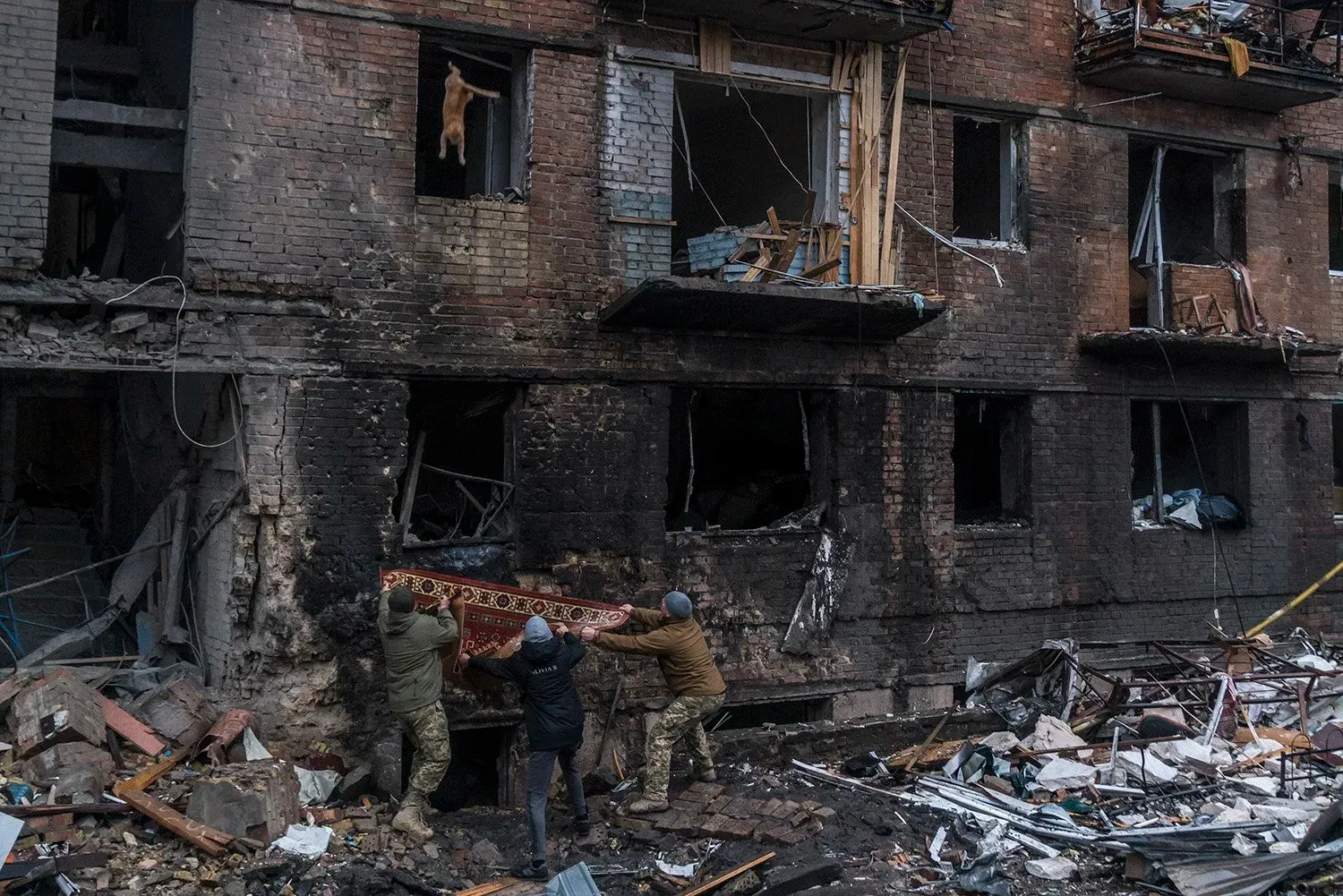
In addition to documenting the assault on nature with his camera, Brendan also picked up a pen, culminating in a major article in The New York Times in 2025 called “Ukraine’s Ravaged Environment.”
Brendan now has a young child and is spending the year back in the U.S., where his wife, who is Ukrainian and also a photographer, has a prestigious Nieman Fellowship at Harvard. I caught up with him last month when he was at the University at Buffalo giving a talk on his work.
I’m John Fiege, and this is Chrysalis. You can subscribe at johnfiege.earth, where you will also find show notes and all episodes of the podcast, plus my writing, photographs, and films.
Here is Brendan Hoffman.
Notes and Media Recommendations
- The New York Times: “Ukraine’s Ravaged Environment” by Brendan Hoffman
- Brendan Hoffman: Official Website and Ukraine War Portfolio
- The Pulitzer Center: Brendan Hoffman Journalist Profile & Grantee Projects
- The Guardian: Ukraine to Prosecute Russia for 'Ecocide' Over Environmental War Crimes
- United Nations Environment Programme (UNEP): The Environmental Toll of the Conflict in Ukraine
- Turning Point Magazine: Ukraine: Love+War, a Review
Credits
This episode was edited by Domenica Klamm. Music is by Daniel Rodríguez Vivas. Mixing is by Morgan Honaker.