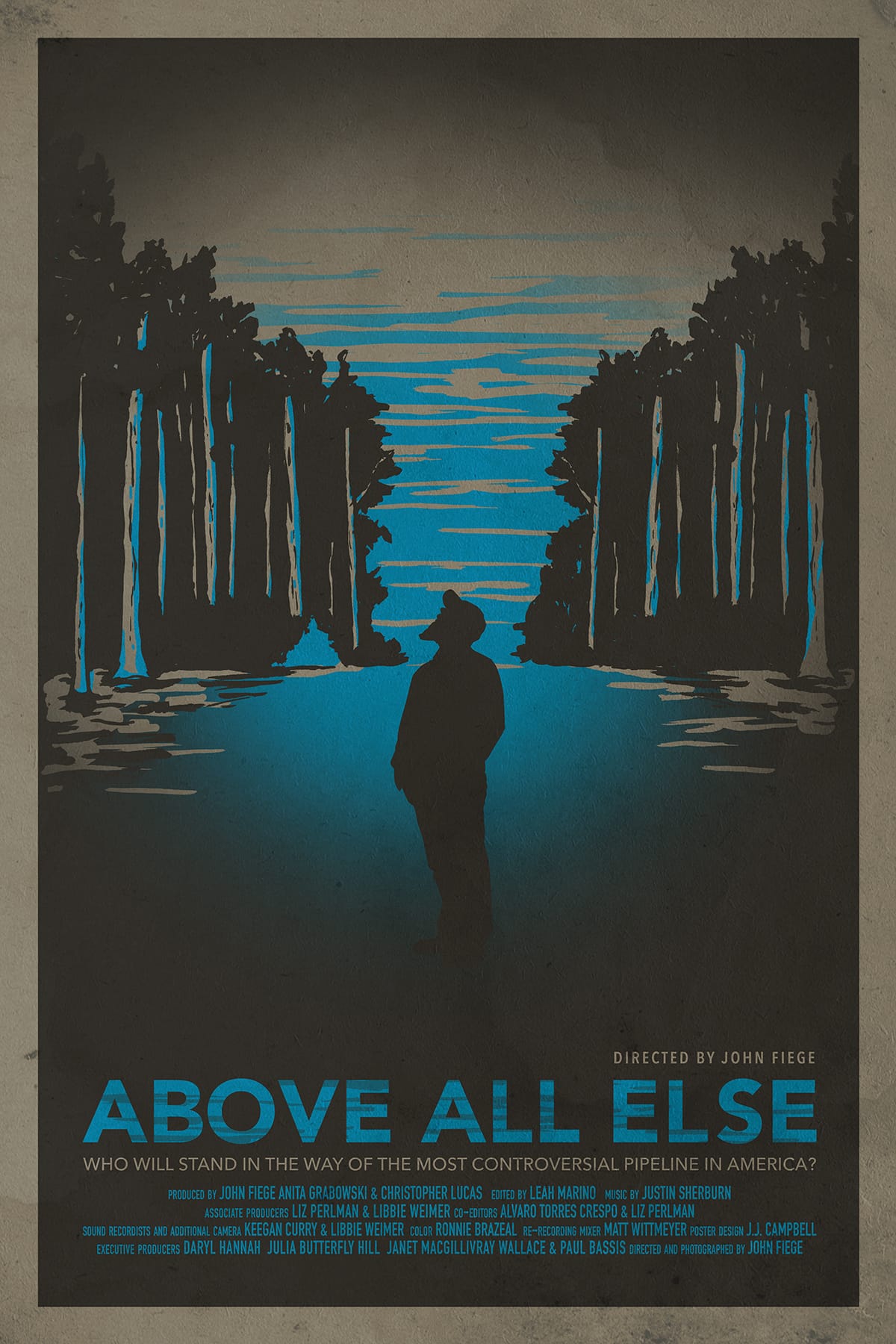
Above All Else
Access to Films Requires a Butterfly Subscription
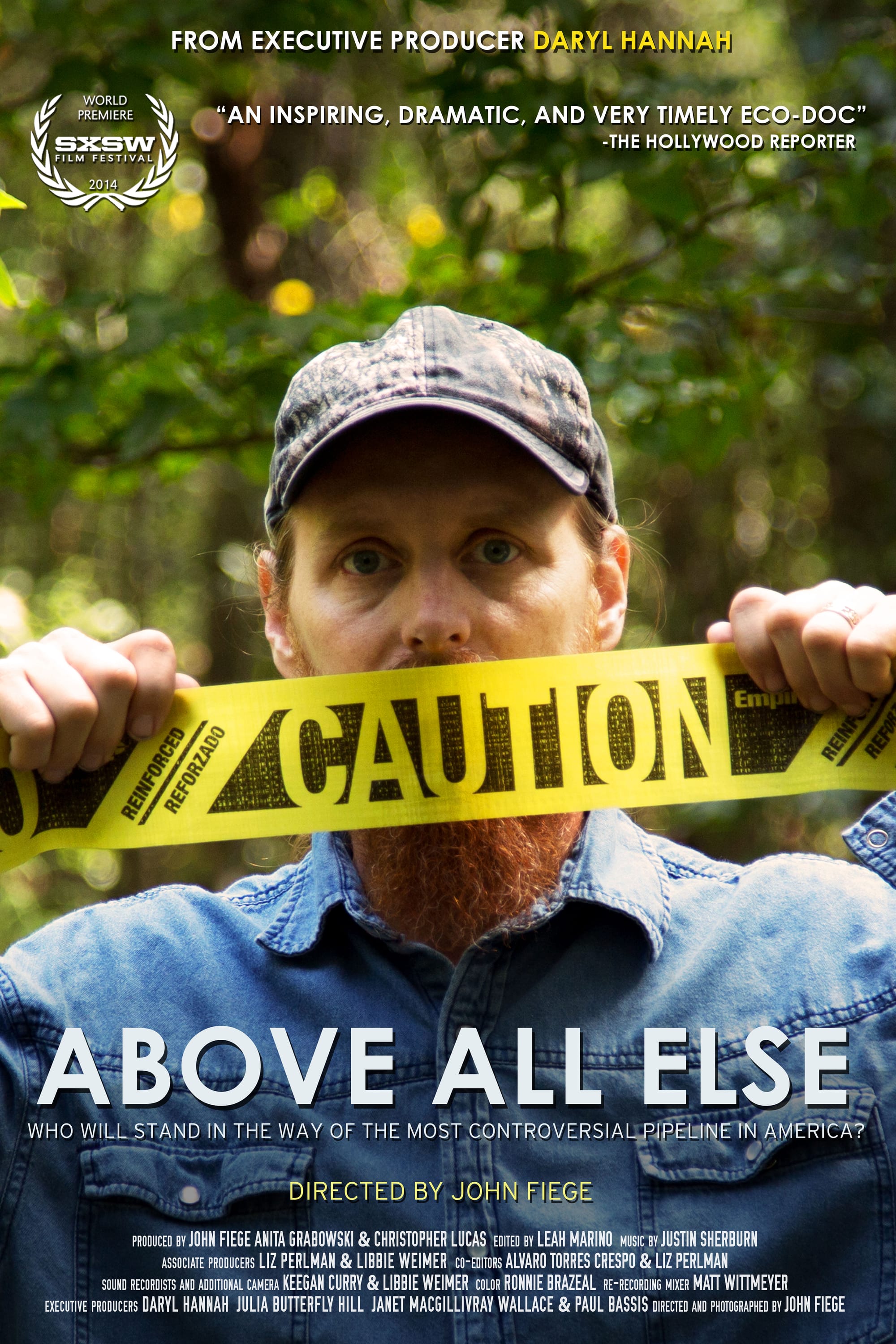
A documentary film directed by John Fiege
Above All Else – Trailer
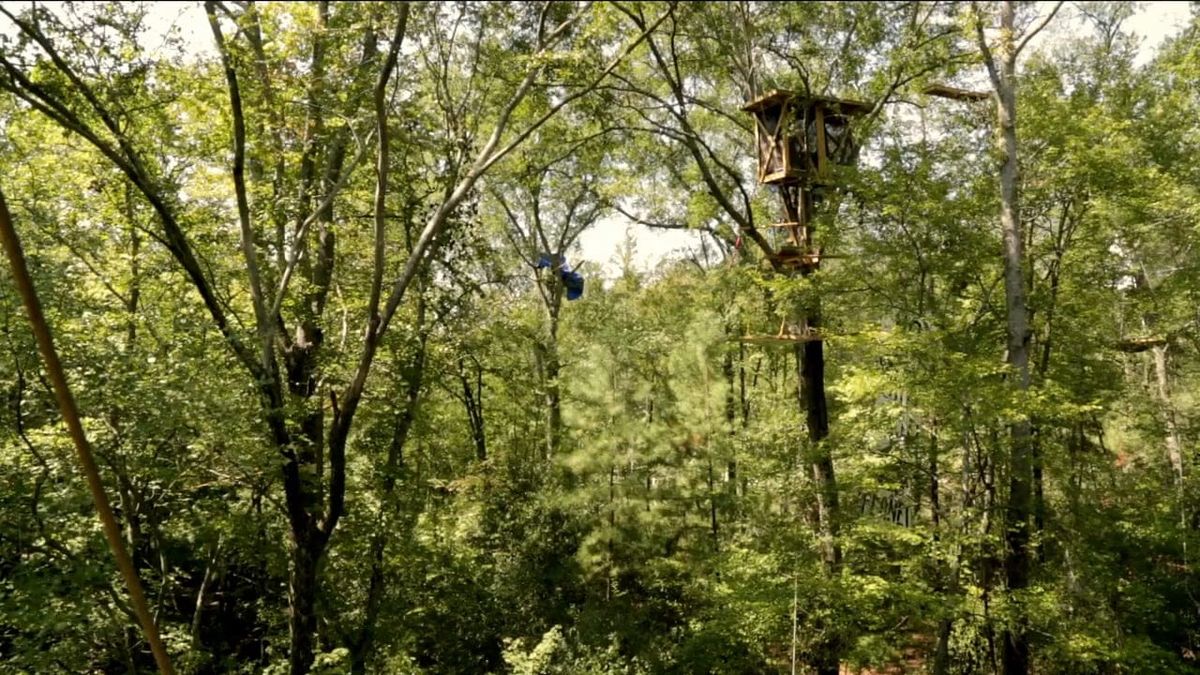
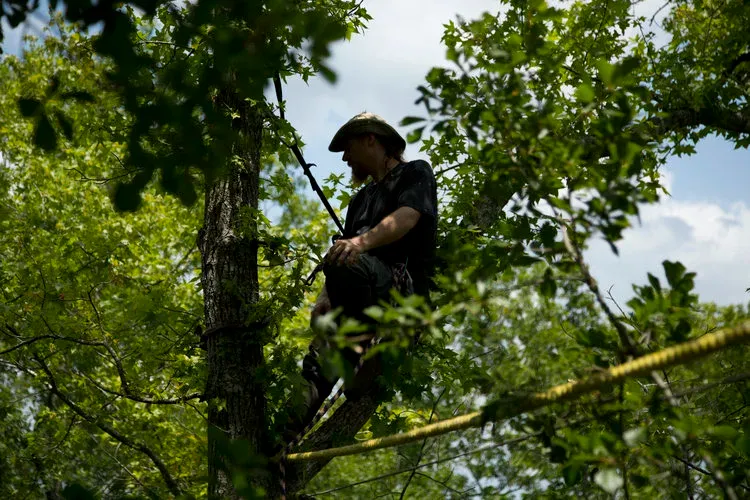
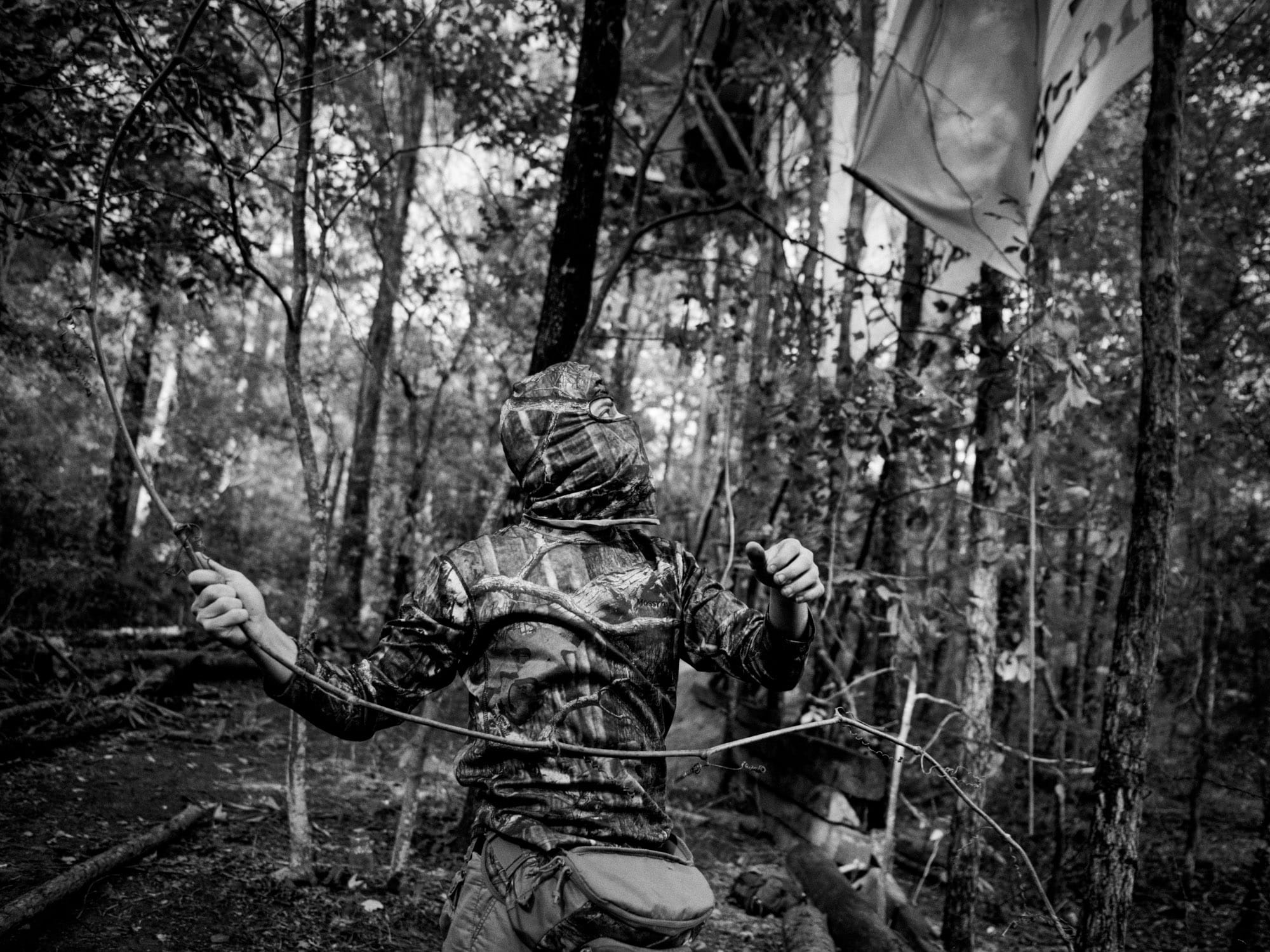
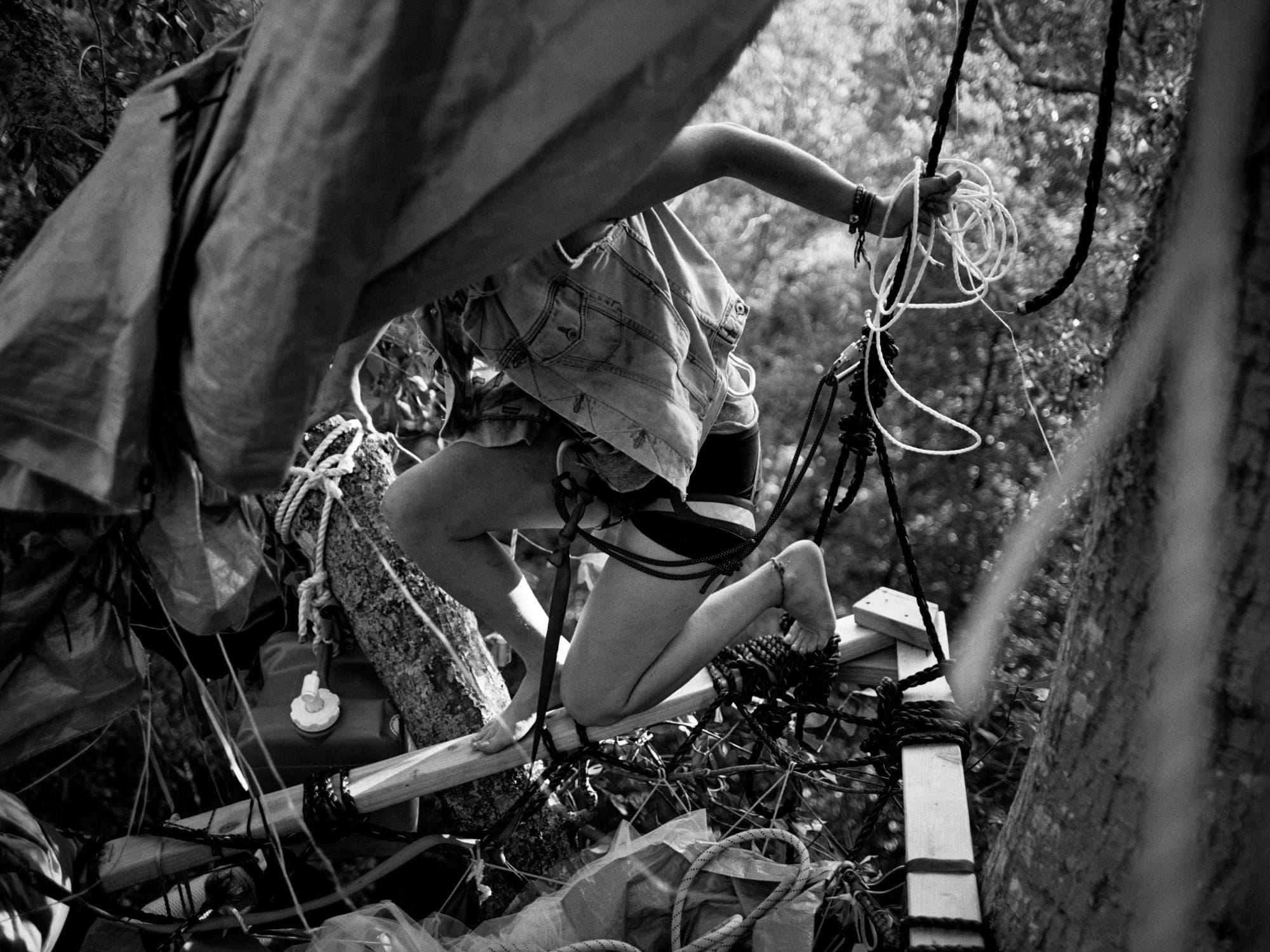
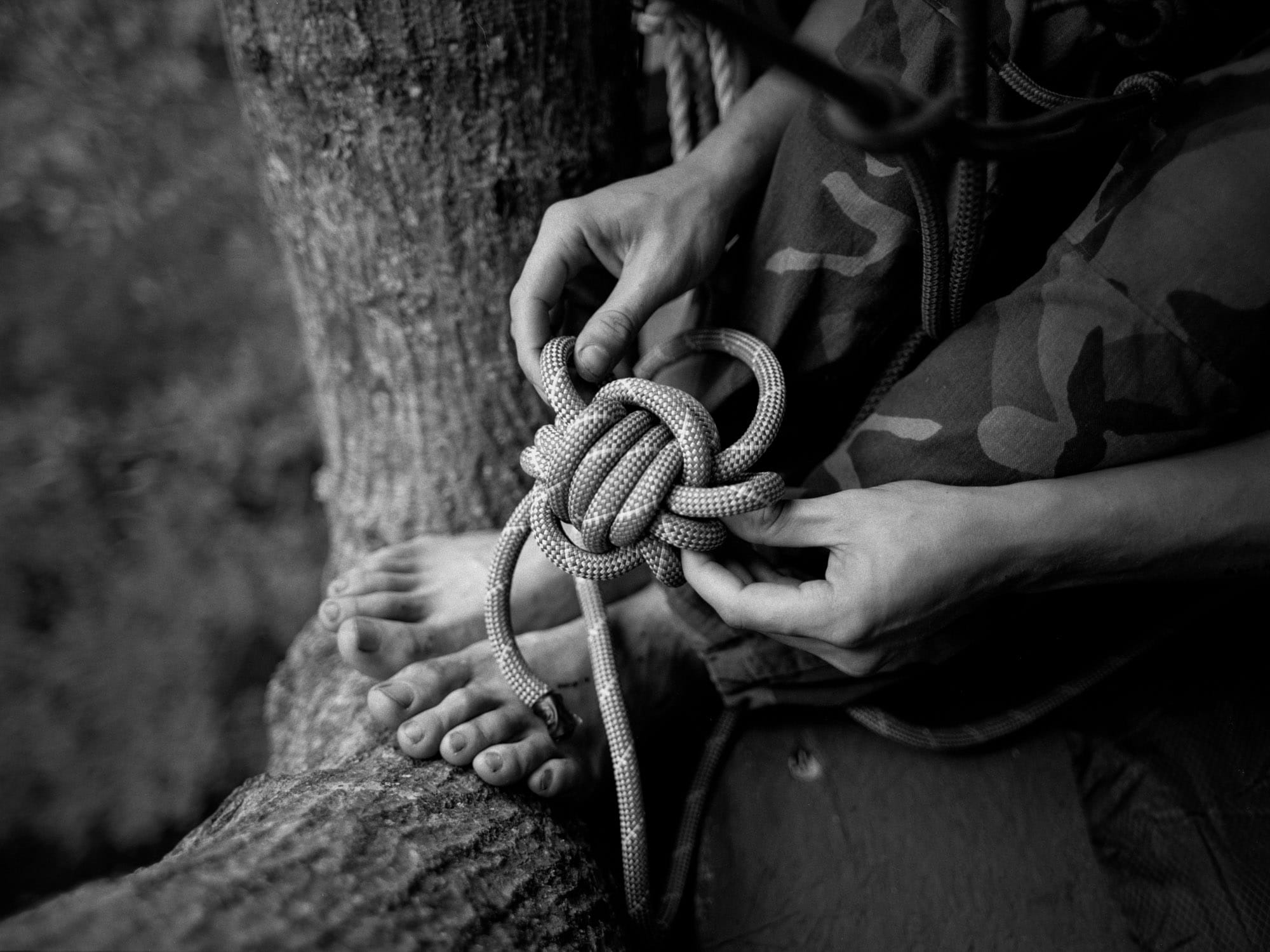
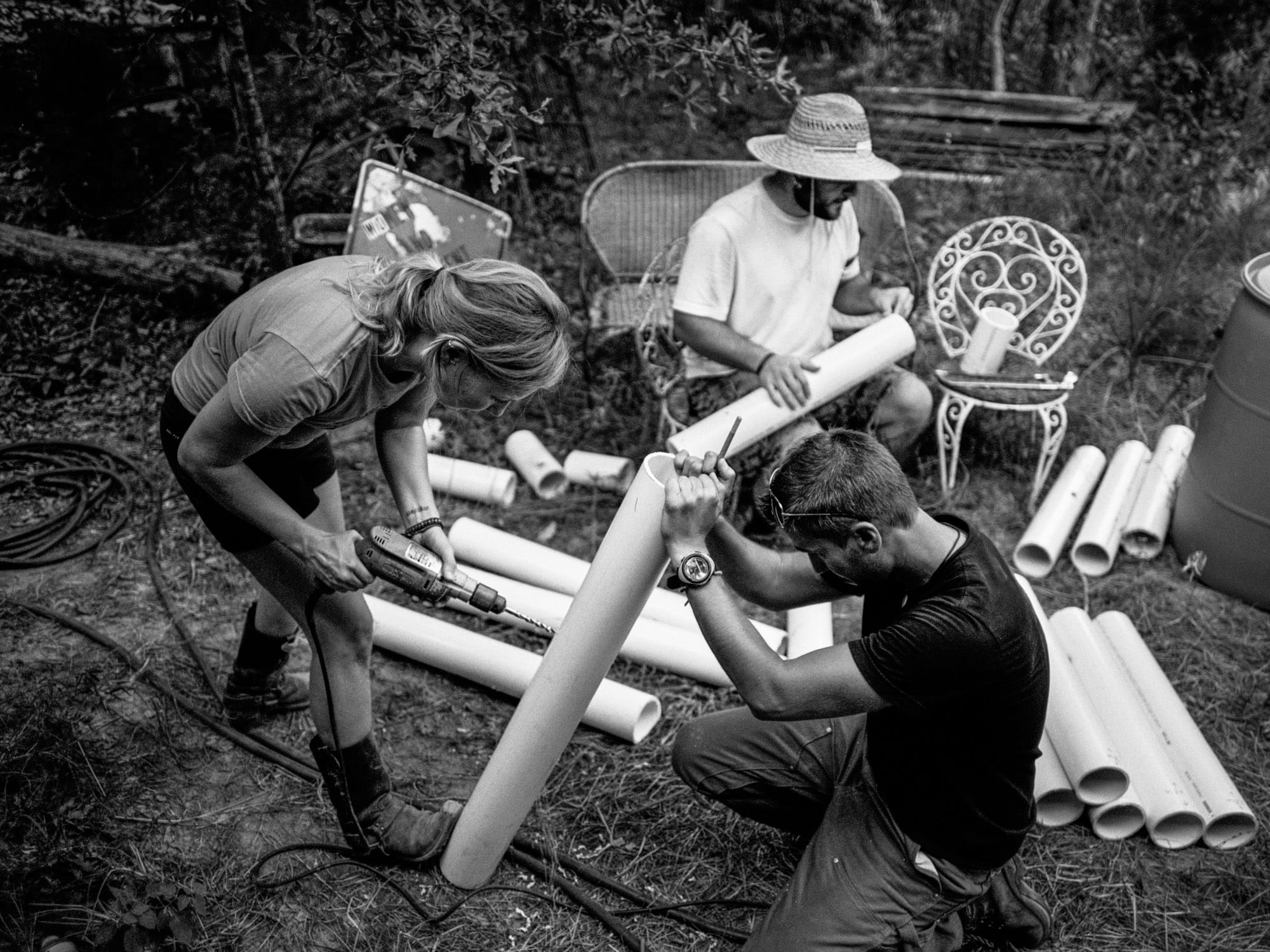
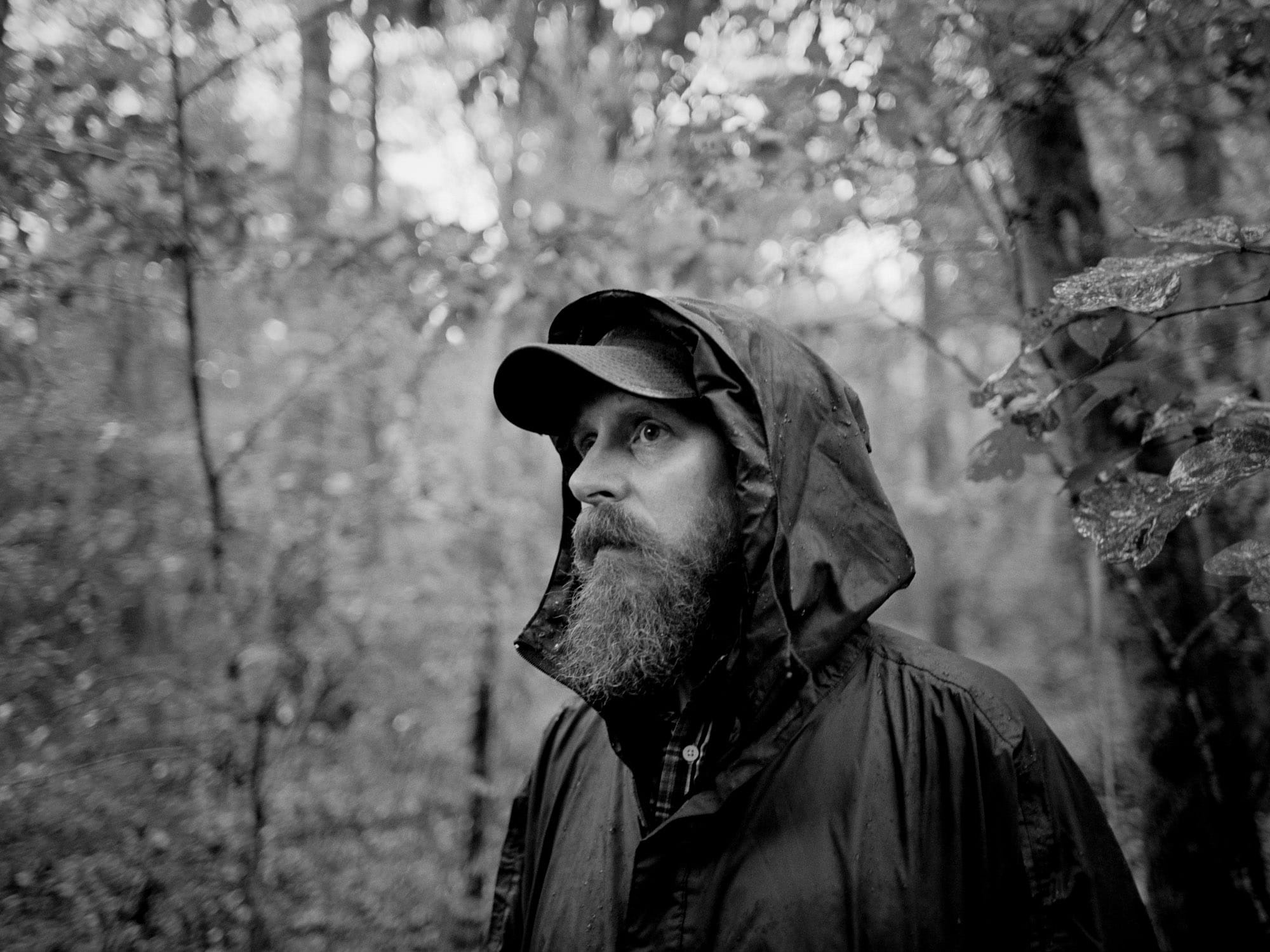
In this dramatic, firsthand account of activists on the front line of the climate fight, one man risks it all to stop the tar sands of the Keystone XL oil pipeline from crossing his land. Shot in the forests, pastures, and living rooms of rural East Texas, Above All Else follows David Daniel, a retired stunt man and high-wire artist, as he rallies neighbors and activists to join him in a final act of brinkmanship: a tree-top blockade of the controversial pipeline. What begins as a stand against corporate encroachments on one man's land becomes a rallying cry for climate protesters nationwide.
Above All Else – Full Film
95 min., 2014
"Emotionally driven...gorgeous cinematography." - Jimmy Martin, Slug Magazine
"A dramatic, inspiring, and very timely eco-doc." - John DeFore, The Hollywood Reporter
"Engaging..captivating and often poignant...intimate." - Don Clinchy, Slackerwood
“Above All Else tells a really important story, the story of one of the crucial fountain heads of resistance to the fossil fuel industry as folks came down across the heartland, bringing this pipe behind them, thinking they were going to run this pipeline easily to the Gulf…they sure didn’t expect people in Texas were going to stand up and people did stand up. Their resistance was remarkable, it gave heart to people around the country and around the world, as we take on this industry and try to show how its depredations are wrecking people, places, communities around the world. There’s no clearer example, no firmer example of standing up than what’s been going on along the route of Keystone South. So many thanks to the people that stood up there, and so many thanks to these filmmakers for chronicling that story so it can be used to inspire people in every corner of this planet, in the greatest fight we’ve ever gotten into.”
- Bill McKibben, 350.org, The End of Nature
“Today I was able to see Above All Else, a wonderful documentary done by John Fiege. It was a documentary that showed the struggle of the landowners in Texas in the southern route of the KXL pipeline, and I think it showed so much more. It showed the resistance of young people; it showed how large corporations are coming in and taking land and bullying them in the process; it showed the climate movement gravitating and supporting that process; but even more so it showed the human spirit. I’ve seen many, many environmental movies in my day, and this one is one that I will show to many people because of the impact. It really showed the complete story of the movement. It took an unbiased view…but even more so, it showed the human will and the human spirit to stand up and fight and, in that case, showing how organized people can beat organized money.”
- Rev. Lennox Yearwood Jr., Hip Hop Caucus
“Above All Else tells the story of three hardy American individualists and their young idealistic supporters who are committed to protecting their land against the incursion of TransCanada's Keystone XL pipeline. This is documentary filmmaking at its best with superb production values, compelling characters, and an inspiring message.”
- Dale Jamieson, New York University, Reason in a Dark Time: Why the Struggle to Stop Climate Change Failed--And What It Means For Our Future
“In Above All Else, director John Fiege tells the story of reluctant activist David Daniel with quiet intensity. The film is unforgettable – beautiful, troubling, and hopeful. When Fiege spoke at the University of Delaware in February 2014, his commentary on the film and his responses to questions led to a standing ovation. Fiege is a powerful speaker, and the story of how he came to make the film was inspiring for many who attended the screening.”
- Adam Rome, University of Delaware, The Genius of Earth Day: How a 1970 Teach-In Unexpectedly Made the First Green Generation
“The film brings to life the inspiring stories of everyday people striving to protect their land, families, and livelihoods from the Keystone XL pipeline. The struggle against the pipeline has emerged as one of the galvanizing issues for the growing climate movement. At once provocative and enraging, Above All Else is most of all a haunting and beautiful film.”
- Robert Wilson, Syracuse University, Seeking Refuge: Birds and Landscapes of the Pacific Flyway
Film Festival Screenings
Global Extraction Film Festival, 2022
The Hebrides International Film Festival (Isle of Lewis, Scotland), 2016
Salt Spring Film Festival (Salt Spring Island, BC), 2016
UK Green Film Festival (London, UK), 2015
22th Barcelona International Environmental Film Festival (FICMA), 2015
CNEX Documentary Film Festival (Taipei, Taiwan), 2015
Bergen International Film Festival (Bergen, Norway), 2015
Ecofalante Environmental Film Festival (São Paulo, Brazil), 2015
Cinema Verde Environmental Film and Arts Festival (Gainesville, FL), 2015
RiverRun International Film Festival (Winston-Salem, NC), 2015
Big Sky Documentary Film Festival, 2015
College Town Film Festival Penn State, 2015
Princeton Environmental Film Festival, 2015
Irvine International Film Festival, 2015
Crossroads Festival for Documentary Film and Discourse (Graz, Austria), 2015
DIY FILM FEST (Warsaw, Poland/Minsk, Belarus), 2015
Global Visions Film Festival, 2014
Sarasota Film Festival, 2014
Cleveland International Film Festival, 2014
Minneapolis-St. Paul Film Festival, 2014
Atlanta Film Festival, 2014
IndieGrits Film Festival (Columbia, SC), 2014
Marfa Film Festival, 2014
Green Screens/Bonnaroo Music and Arts Festival, 2014
Portland EcoFilm Festival, 2014
Sidewalk Film Festival (Birmingham, AL), 2014
One World Film Festival (Ottawa, Canada), 2014
Thunder Bay Environmental Film Festival, 2014
North Bay Film Festival, 2014
Byron Bay International Film Festival, 2014
World Community Film Festival (British Columbia, Canada), 2014
Hot Docs, 2014
SXSW Film Festival, 2014
Special Screenings
Austin Film Society Virtual Cinema, 2020
Redford Center Friday Night Films, 2020
California State University, Chico, 2018
Controversy and Conversation Film Series, Humanities Institute of The University of Texas at Austin and the Austin Public Library, 2017
Carleton College, 2015
Syracuse University, 2015
Franklin & Marshall College, 2015
University of Michigan, 2015
Florida International University, 2015
Rider University, 2015
UNCG Weatherspoon Art Museum, 2015
University of Wisconsin-Milwaukee, 2015
Western Washington University, 2015
Sun Moon Farms, New Hampshire, 2015
Tales from Planet Earth, University of Wisconsin-Madison, 2015
Cinema Politica, Montreal, 2015
Cinema East, Austin, 2014
Environmental Film Festival in the Nation’s Capital, E-Street Cinema, 2014
Bold Nebraska screening, Omaha, NE, 2014
Reel Earth Festival, Scottsbluff, NE, 2014
Earth Matters Film Series, Circle Cinema, Tulsa, OK, 2014
Sustainable Sunday Film Series, Citizens’ Climate Lobby, Center for Contemporary Art (CCA), Santa Fe, NM, 2014
Macalester College, 2014